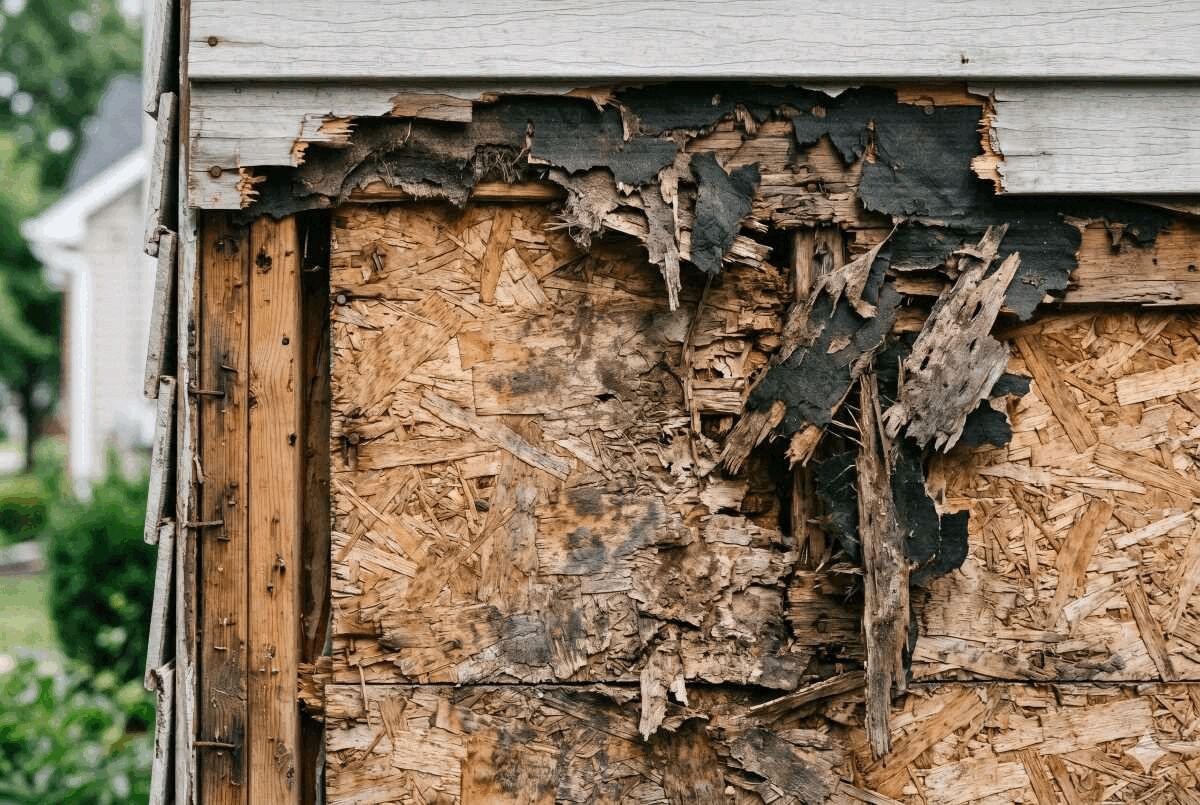
Dry rot is one of those problems that often stays hidden until it starts causing noticeable damage. The tricky part is that “dry rot” is almost always caused by moisture that gets trapped where wood cannot dry out. Once conditions are right, wood-destroying fungi can break down framing, trim, soffits, window sills, and other building components, leaving the wood soft, brittle, and unsafe.
What Dry Rot Is and Why It Matters
Dry rot is a type of fungal decay that feeds on the cellulose in wood. As the fungus spreads, the wood loses strength and can crumble, crack, or pull apart in cubes. In a home, that can mean anything from small trim repairs to structural concerns around roof edges, windows, doors, and exterior walls.
If you suspect rot, early action helps keep the repair scope smaller. It also helps you find the water source that caused it in the first place, which is the only way to keep it from returning.
Moisture Is the Real Cause of Dry Rot
Even though the name says “dry,” fungal rot needs moisture to get started. Rot is most likely where wood stays damp for long periods, especially when airflow is limited. Common moisture sources include roof leaks, flashing failures, overflowing gutters, missing caulk, and poorly vented spaces.
In the Chicago area and throughout Illinois, seasonal freeze-thaw cycles and heavy rain can make small gaps and worn seals grow into recurring moisture problems over time.
Common Causes of Dry Rot in Homes
Dry rot typically shows up where water repeatedly gets into wood and cannot escape. Here are some of the most common causes homeowners run into:
- Roof Leaks and Worn Flashing: Leaks around valleys, chimneys, skylights, and wall transitions can soak roof decking or framing.
- Gutter and Downspout Issues: Clogged gutters, loose seams, or short downspouts can dump water behind fascia and soffits.
- Window and Door Leaks: Failed caulk, missing flashing, or improper installation can let water into sills and wall framing.
- Siding Gaps and Poor Drainage Planes: If water gets behind siding and cannot drain or dry, rot can develop on sheathing or studs.
- Attic Ventilation Problems: Trapped humidity can contribute to condensation on wood surfaces, especially in colder months.
Where Dry Rot Commonly Appears
Dry rot does not usually show up in the middle of an open, well-ventilated wall. It is far more common at edges and transitions where multiple materials meet. Areas to keep an eye on include:
- Fascia boards and soffits at the roofline
- Window sills and exterior trim
- Door thresholds and jamb trim
- Deck ledgers and porch posts
- Bottom edges of siding near grade or near roof-to-wall intersections
How to Identify Dry Rot Without Causing More Damage
You do not need to start tearing things apart to spot early warning signs. A careful visual check, plus a gentle probe in a few places, can tell you a lot.
Look for clues such as:
- Paint That Keeps Peeling or Bubbling: Repeated moisture behind paint can be a sign the wood underneath is staying damp.
- Soft or Spongy Wood: If wood compresses with light pressure or a screwdriver tip sinks in easily, rot may be present.
- Cracked, Cupped, or “Cubic” Wood: Rotting wood often fractures into blocky shapes as it dries and breaks down.
- Musty Odors: A persistent damp, earthy smell near trim, windows, or attics can signal hidden moisture.
- Discoloration or Dark Staining: Water staining near corners, joints, or roof edges often points to a leak path.
If you find any of these signs, the next step is to figure out the moisture source. Fixing the damaged wood without stopping the water intrusion usually leads to repeat repairs.
Dry Rot vs Termite Damage and Other Wood Problems
Rot and insect damage can look similar at a glance, but there are differences. Rot is tied to moisture and may have staining, softness, and a musty smell. Termite damage often shows mud tubes, hollow-sounding wood, or thin “papered” surfaces where termites have eaten the inside.
There are also non-rot issues that get mistaken for decay, such as weathered wood, surface checking (small cracks), and minor paint failure. When in doubt, a professional inspection can help you avoid replacing materials that are still structurally sound.
Why Fixing the Moisture Source Matters More Than the Patch
Dry rot is a symptom of a bigger problem, not the root problem itself. The most important part of the repair plan is identifying how water is getting in and why the area is not drying out. That might involve repairing a roof leak, correcting flashing, improving drainage, or addressing ventilation.
Depending on where the rot is located, the most helpful next step may be an inspection of your roofing system, gutters, siding, or windows to confirm what is driving the moisture.
What to Do if You Think You Have Dry Rot
If you are seeing soft wood, recurring paint issues, or staining around roof edges or exterior openings, it is worth taking a closer look sooner rather than later. At C&N Construction, we help homeowners pinpoint moisture issues and plan repairs that address both the damage and the cause, whether that involves roof repair, gutter work, or siding repair.
If you would like a professional opinion, contact us to schedule an inspection and get clear recommendations for next steps.

Comments